When Propaganda Fails: Ethiopia’s National Service Push Amid a 95% Student Failure Rate

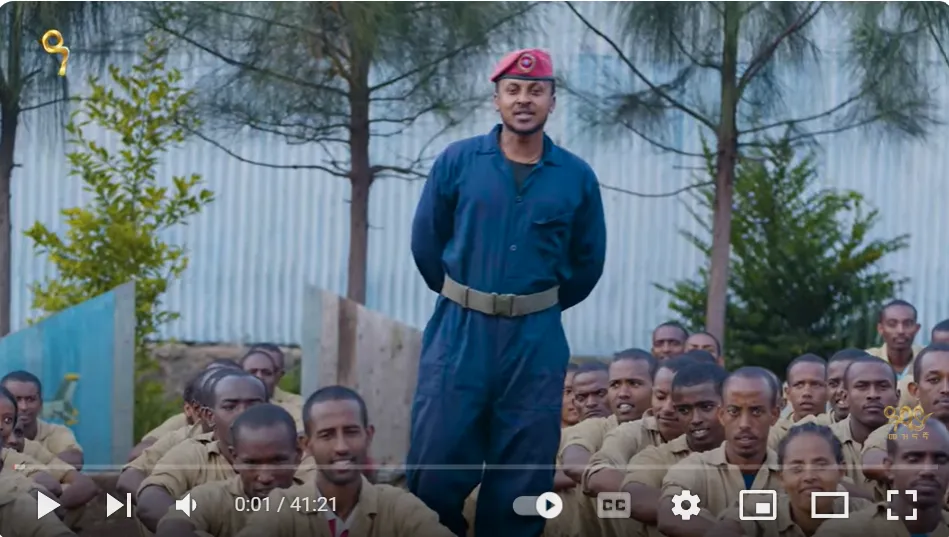
The airing of the TV documentary “Building Greater Ethiopia in East Africa” on Abay TV, just two days after the release of Ethiopia’s devastating Grade 12 national exam results, highlights a troubling disconnect between the government’s messaging and the stark realities facing the nation’s youth. The documentary, which showcased Grade 12 students engaged in military service, seems like a poorly timed propaganda effort to overshadow the fact that only 5.4% of the 684,205 students who took the national exam passed. The notion of “Building Greater Ethiopia” through military service is laughable when Ethiopia, the second-most populous country in Africa, is failing to provide its youth with even the most basic educational foundation. Instead of addressing this pressing crisis, the government appears intent on projecting an unrealistic image of regional greatness.
The documentary’s premise is fundamentally flawed. It presents a vision of Ethiopia as a leader in East Africa, focusing on military service as a solution, while sidestepping the urgent need to address the country’s deep-seated educational challenges. With 95% of Grade 12 students unable to pass their exams, how can Ethiopia realistically aspire to build a “Greater Ethiopia” in the region? The program’s grandiose aspirations, particularly when aired so soon after the announcement of the national exam results, feel like an out-of-touch attempt to shift public attention away from the ongoing educational failure.
On April 30, 2023, the government approved the National Military Service Proclamation, making it compulsory for 18-year-olds to undergo military training for two years after high school. In a nation where only 36,409 students out of nearly 700,000 passed the national exam, this decree raises critical questions about the government’s priorities. Is the focus on militarization, rather than educational advancement, truly in the best interest of Ethiopia’s youth and the country’s long-term future? For a country of Ethiopia’s size and potential, internal strength must be built through education, not simply military service.
The abysmal pass rate of 5.4% exposes systemic failures within the Ethiopian education system, which demand immediate attention. Instead of using military service as a smokescreen, the government should prioritize reforms that address the root causes of this crisis: lack of resources, unqualified teachers, and insufficient infrastructure. With more than 650,000 students failing to meet academic standards, pushing them into military service without offering them educational opportunities only diverts them from the paths that could contribute to long-term national growth.
While Dr. Dima Noah, the Chairman of the Standing Committee on Foreign Relations and Peace Affairs, assured that voluntary members of the National Defense Force or Reserve Force would have their rights and benefits protected, this does little to address the broader educational crisis. Ethiopia cannot build a “greater” nation if it continues to neglect its youth’s intellectual development. The propaganda-like effort seen in the Abay TV documentary fails to address the real problem: the lack of educational opportunities for the majority of the country’s students. It offers military service as a convenient distraction rather than a solution to the country’s deep-seated issues.
The timing of the program, aired right after the national exam results, further highlights the government’s misaligned priorities. Ethiopia’s population may be vast, but without a robust and well-educated workforce, the country will struggle to realize its potential, let alone lead East Africa. The idea of building a “Greater Ethiopia” through military service is not only laughably out of touch with the nation’s educational crisis, but it also undermines the country’s true strength—its people and their intellectual capacity.
Ultimately, national service might foster patriotism and unity, but it cannot replace the critical role that education plays in building a prosperous, competitive, and innovative nation. A government that prioritizes military service over educational reform risks not only its future prosperity but also its credibility. Ethiopia must rise to the challenge of educating its youth, ensuring that they have the tools and resources they need to build a stronger, more competitive country—one that is truly capable of leading East Africa, not just in name, but in reality.While national service might foster patriotism and unity, it cannot replace the critical role that education plays in building a prosperous, competitive, and innovative nation. In reality, Ethiopia’s future does not lie in military service alone but in the intellectual and creative capacities of its youth. The overwhelming failure of students in the national exam—paired with a government more focused on promoting military service than addressing the root causes of this failure—paints a bleak picture of national priorities.
A government that prioritizes militarization over educational reform risks not only its future prosperity but also its global competitiveness. The long-term success of Ethiopia will depend on whether it can cultivate a well-educated workforce that is equipped to drive innovation, economic growth, and development. Without a serious commitment to fixing its broken education system, the country risks losing an entire generation to underachievement, stifled potential, and unrealized dreams.
For Ethiopia to truly “build a greater nation,” it must invest in its youth by providing quality education, enhancing opportunities for higher learning, and addressing systemic challenges within the educational framework. Only then can Ethiopia rise as a leader—not just in East Africa, but on the global stage. Military service alone will not achieve that goal, but an empowered and educated population can. The choice for Ethiopia’s future is clear: educate and invest in its youth, or continue down a path that limits their potential and, ultimately, the nation’s progress.

About Addis Insight
Addis Insight is Ethiopia’s fastest growing digital news platform, providing consumers with the latest news from Ethiopia and its diaspora. We provide marketers with innovative opportunities to leverage our stories and overall brand with a fiercely curious and highly engaged audience.