“Yasteseryal” at 20: The Album that Revolutionized Ethiopian Music and Consciousness

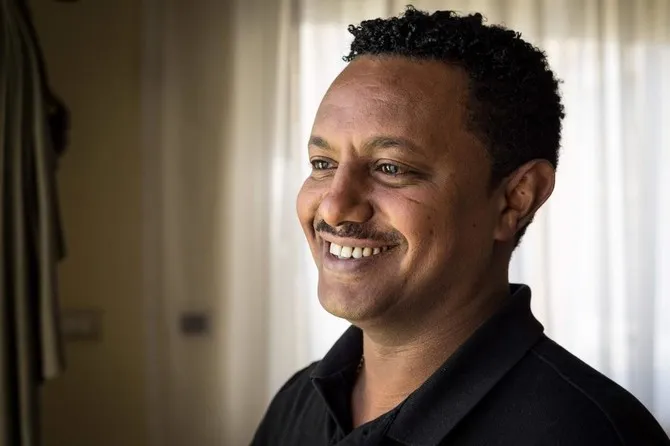
In 2005, a voice rose from the heart of Ethiopia that cut through political silence, generational apathy, and cultural amnesia. That voice belonged to Tewodros Kassahun—better known as Teddy Afro—and the message was Yasteseryal. Today, two decades later, we commemorate this landmark album not just as a musical achievement but as a cultural reckoning and an act of resistance that still reverberates through the Ethiopian soul.
Yasteseryal was not just an album; it was a movement. It didn’t arrive gently—it erupted. It was passed from hand to hand on pirated cassettes, whispered through Bluetooth transfers, and belted out from taxi radios and street corners. It made people dance, but it also made them pause, reflect, argue, remember—and hope.
A Soundtrack for the Ethiopian Soul
Released in the shadow of the highly charged 2005 elections, Yasteseryal landed like a bombshell in a country still reeling from decades of imperial collapse, socialist dictatorship, and contested federalism. Teddy Afro’s voice echoed the cries of a generation navigating the fractured landscape of post-Derg Ethiopia—urban but uncertain, proud but wounded, modern yet anchored in ancient rhythms.
Musically, Yasteseryal was a masterclass in synthesis. It wove the spiritual fervor of the Ethiopian Orthodox Church with the syncopation of reggae, the urgency of funk, and the intimacy of Ethio-jazz. Teddy revived the Amharic lyrical tradition with poetic clarity and political nuance, infusing it with the global consciousness of artists like Bob Marley, Fela Kuti, and Gil Scott-Heron. As Marley sang of Babylon, so did Teddy sing of broken promises and stolen histories—but always with an eye toward redemption.
Yasteseryal: Healing Through Haile Selassie
The title track, Yasteseryal—meaning “He Will Be Made to Be Reconciled”—was not just a call to remember Emperor Haile Selassie, but a call to reconcile the fractured timelines of Ethiopian identity. While the political establishment discouraged open reflection on the imperial era, Teddy Afro re-opened that conversation for the public. But unlike blind monarchists, he wasn’t invoking nostalgia—he was calling for healing.
“Yetefetere sew yibekal” (“Let the broken man be mended”) became more than a lyric—it became a prayer for national cohesion. In a country often divided along ethnic, linguistic, and ideological lines, Yasteseryal dared to suggest that looking backward might be the first step toward a shared future.
The government, fearful of the album’s subtext, banned several songs from the airwaves. But like all great resistance music, censorship only amplified its reach. The streets did what state media could not: they turned Yasteseryal into a communal archive, a collective voice that would not be silenced.
Hab Dahlak: Lament as Resistance
In Hab Dahlak, Teddy Afro mourned the separation of Eritrea and Ethiopia not through military pride or diplomatic language, but through deeply personal sorrow. The song reframes geopolitics as heartbreak, portraying nations as estranged lovers burdened by memory and longing.
“Wedajish min yidergal, befit derash asresash”—“What should your lover do, when you turned your back before the end?”—embodies the emotional toll of war and nationalism. It is one of the rare songs in Ethiopian history that humanized the loss felt by people on both sides of the Red Sea, making it a quiet anthem for diasporas and divided families alike.
A Million Sold, A Million Stirred
Despite (or because of) official suppression, Yasteseryal sold over a million copies within a year—an unprecedented figure in Ethiopia’s modest music economy. Its impact was not limited to commercial success; it became a sonic revolution. Wedding DJs played it between traditional war tunes and love songs. Merchants hummed it in the marketplace. Activists quoted it in rallies. Preachers referenced it in sermons.
Teddy Afro was no longer just a musician—he became a cultural mediator, a reluctant prophet in dreadlocks and denim. His concerts turned into spiritual-political gatherings where Orthodox chants met reggae basslines, and nationalism met pan-Africanism.
A Global Echo of Freedom Music
In revisiting Yasteseryal twenty years on, we must also place it within a global history of musical resistance. Like Bob Dylan’s Blowin’ in the Wind, Victor Jara’s ballads in Chile, or Miriam Makeba’s anthems against apartheid, Yasteseryal was a cry for dignity from within a system reluctant to grant it.
What makes Yasteseryal unique is its hybrid character: it is deeply Ethiopian, yet globally resonant. It emerged in the same historical moment when artists across Africa were pushing back against the commodification of music, turning back toward roots, language, and liberation. Teddy Afro, like Nigeria’s Femi Kuti or Congo’s Tiken Jah Fakoly, used rhythm as resistance.
The album became part of a broader movement where music was not just art—it was archive, protest, prayer, and prophecy. It reminded Ethiopians—and the African diaspora—that our pasts are not dead, and our futures must be negotiated through memory, not erasure.
A Legacy That Still Breathes
Two decades later, Yasteseryal is still played. Not because of nostalgia, but because the questions it raised—about justice, memory, unity, and spiritual renewal—remain unanswered. It lives on in university classrooms, diaspora cafés, protest chants, and playlists curated by youth born after its release.
Teddy Afro has since released other acclaimed albums—Tikur Sew, Ethiopia, and Moa Anbessa—but none have etched themselves so deeply into the Ethiopian psyche as Yasteseryal. It remains the high watermark of his career, a reminder that music can build nations where politics has failed.
In an era of algorithmic noise and instant virality, Yasteseryal endures not because it was trendy, but because it was true.

About Addis Insight
Addis Insight is Ethiopia’s fastest growing digital news platform, providing consumers with the latest news from Ethiopia and its diaspora. We provide marketers with innovative opportunities to leverage our stories and overall brand with a fiercely curious and highly engaged audience.