Saving Little Lives in Amhara: How a Health Expert’s Research Is Transforming Care for Vulnerable Newborns

In the highlands of Ethiopia’s Amhara region, where the rhythms of life are measured in harvests and holy days, a quieter revolution is underway inside hospital wards and the homes of new mothers. This revolution is not driven by advanced technology or expensive equipment. Instead, it relies on skin-to-skin contact, a mother’s own milk, and simple, visual tools that can be held in the palm of a hand.
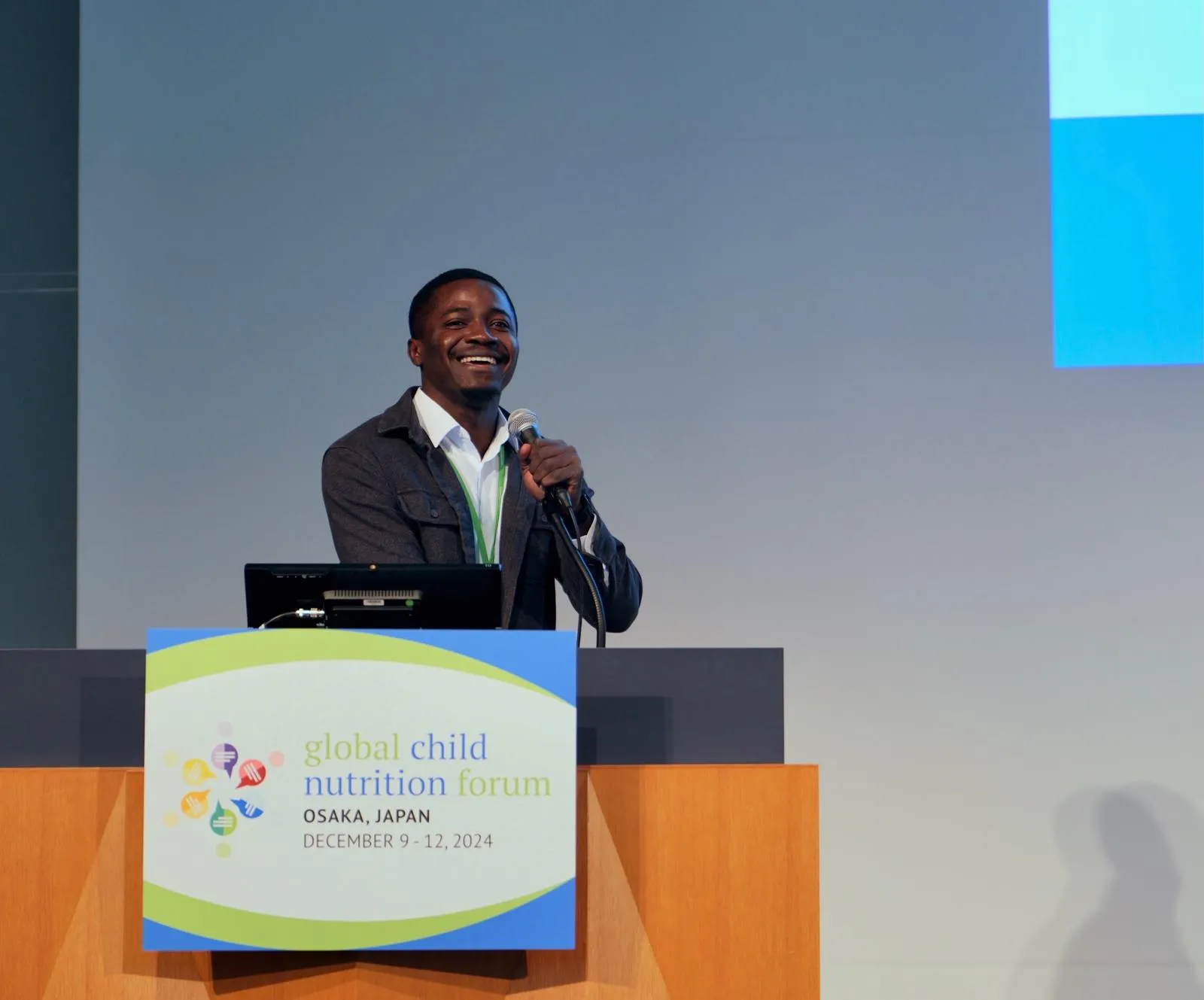
The Saving Little Lives initiative, launched in 2021 with $4.5 million in funding from the Global Financing Facility, UNICEF, and the World Health Organization, is rewriting the script on how to protect the country’s most vulnerable newborns. A leading researcher on this initiative in Amhara, Dr. Moses Collins Ekwueme, blends global best practices with locally grounded research. His work bridges hard data with lived experience, aiming not just for pilot interventions but for solutions that last.
The Stakes: Ethiopia’s Uneven Progress on Newborn Survival
Over the last two decades, Ethiopia has cut under-five mortality nearly in half. But newborn deaths—those occurring in the first 28 days of life—have proved stubbornly resistant, falling by only 15% in 14 years. Low birthweight (LBW) infants, especially those born preterm or weighing under 2,000 grams, account for the largest share of these losses.
Kangaroo Mother Care (KMC)—prolonged skin-to-skin contact combined with exclusive breastfeeding—has been shown globally to reduce mortality, lower sepsis rates, and promote healthy development. Yet, despite its introduction to Ethiopia in the mid-1990s, national coverage remains below 10% for eligible infants.
Dr. Ekwueme’s research tackles the pressing question: why?
Phase by Phase: Evidence from 860 Newborns
In a pivotal study published in the Journal of Global Health, Dr. Ekwueme and his team tracked 860 low-birthweight newborns across five Saving Little Lives facilities, following them from birth to 28 days. The results were both encouraging and sobering:
- Structured rollouts matter. Facilities that underwent phased preparation and training saw KMC rates at discharge climb from 59% in early stages to nearly 75% later on.
- Readiness is as critical as resources. The mere presence of KMC wards was not enough; staff confidence, clear implementation protocols, and a culture of accountability were essential for sustained uptake.
- Multiple births pose unique challenges. Twins and triplets were far less likely to receive effective KMC or exclusive breastfeeding, underscoring the need for targeted support.
The takeaway was clear: scaling up KMC for vulnerable newborns in Amhara cannot be a “one-size-fits-all” effort. Strategies must account for specific patient profiles and facility contexts.
Inside the Mothers’ Stories: Why Implementation Fails or Succeeds
Numbers reveal what changes, but rarely why. In a complementary qualitative study published in the International Breastfeeding Journal, Dr. Ekwueme explored the barriers and enablers of establishing and sustaining breastfeeding among mothers of vulnerable newborns in Saving Little Lives facilities.
A picture emerged of determination meeting systemic obstacles:
- Prolonged NICU separation left mothers unable to establish feeding in the crucial first hours.
- Inconsistent lactation guidance meant some women learned to hand-express milk immediately, while others waited days.
- Perceived insufficient milk often led mothers—especially those with multiples—to introduce formula early.
Yet, success stories shared common threads: supportive nurses, peer counselors, and family members who normalized and reinforced breastfeeding. “I had no idea how to effectively feed my child for the first time because he had latching issues,” one mother admitted. “The doctors showed me, and that made all the difference.”
From Ward to Home: The Healthy Mother Healthy Baby Toolkit
Dr. Ekwueme’s team also recognized a critical truth often overlooked in hospital-centered interventions: survival gains can quickly evaporate if home feeding falters.
Enter the Healthy Mother Healthy Baby Toolkit—a marked bowl, slotted spoon, and illustrated counseling card—designed to help families prepare nutritious meals for pregnant women, breastfeeding mothers, and young children. Adapted from trials in India, Kenya, and Malawi, the toolkit offers low-literacy, visual cues that integrate seamlessly into antenatal and postnatal visits.
Dr. Ekwueme is currently leading research in Saving Little Lives facilities to test the toolkit’s acceptability and feasibility for improving nutrition in the first 1,000 days. If proven effective, Ethiopia could see not only more newborns surviving the first month but thriving well into childhood.
The Science of Scale: Lessons for Ethiopia and Beyond
Ekwueme’s research reveals a three-tiered truth about newborn care:
- Clinical change is easiest inside the hospital, but only if rollouts are phased, monitored, and tailored to facility realities.
- Mother–baby bonds must be protected, as early separation and weak counseling can undercut gains.
- Household practices are the long game. Improving nutritional knowledge, family support, and community norms will determine whether hospital successes endure.
For Ethiopia’s Ministry of Health and its partners, the implications are clear:
- Standardize lactation protocols for LBW care.
- Prioritize hands-on, bedside coaching over one-off training.
- Involve male partners and extended family in feeding education.
- Continue using phased implementation models, refining them with each wave.
Why This Matters Now
Ethiopia has pledged to reduce newborn mortality to 21 per 1,000 live births by 2025. Without targeted strategies like those piloted in Amhara, that goal will remain out of reach.
The Saving Little Lives program is more than a checklist of interventions—it is proof that global science, when filtered through local realities, can create lasting change. The combination of statistical rigor and narrative insight in Dr. Ekwueme’s work offers policymakers something rare: a blueprint that is both evidence-based and human-centered.
As the next phase of Saving Little Lives begins, the stakes are high—not only for Amhara’s mothers and infants but for every region in Ethiopia where the gap between birth and survival remains dangerously wide.

About Addis Insight
Addis Insight is Ethiopia’s fastest growing digital news platform, providing consumers with the latest news from Ethiopia and its diaspora. We provide marketers with innovative opportunities to leverage our stories and overall brand with a fiercely curious and highly engaged audience.