Addis Ababa City Administration Approves New Setback Rules

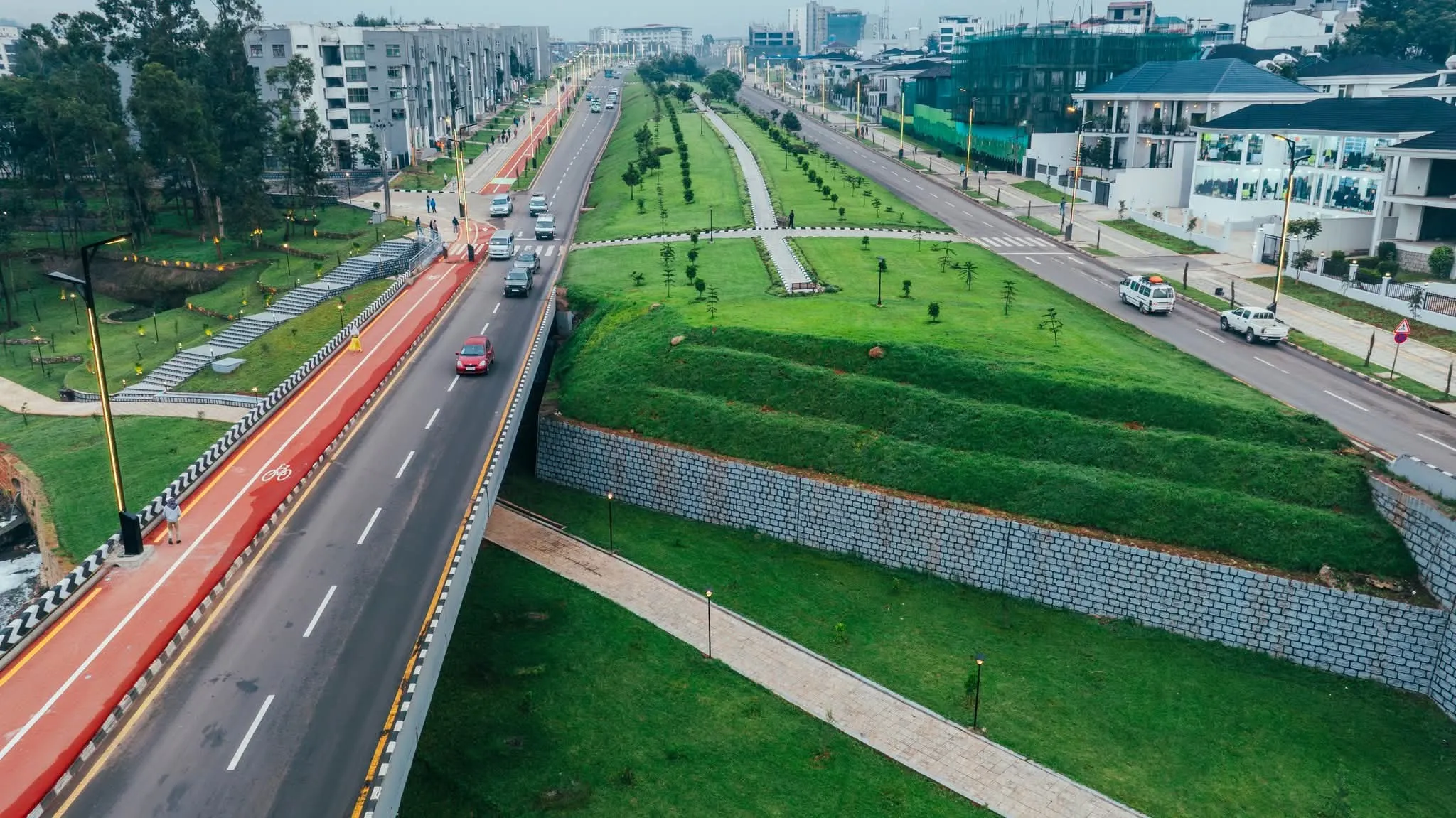
Addis Ababa Approves Landmark Building Setback Directive to Standardize Urban Growth
Addis Ababa, Ethiopia – In a decisive step toward reshaping the capital’s urban landscape, the Addis Ababa City Administration has approved and issued a sweeping directive on building setbacks and frontage rules. The new framework, endorsed during the city cabinet’s 5th regular meeting and dispatched by the Office of the Mayor, introduces a unified regulatory system designed to address long-standing governance gaps, competing directives, and inconsistent enforcement in construction practices.
Why It Matters
For decades, Addis Ababa’s rapid urbanization has been marked by fragmented building regulations. Conflicting proclamations and directives—from condominium guidelines to ad hoc land management circulars—created a patchwork of rules that were applied unevenly across sub-cities. This inconsistency fostered disputes, slowed development approvals, and undermined both the city’s livability and its architectural coherence.
The newly ratified Building Line (Setback) Directive of 2017 consolidates these regulations into a single, enforceable document aimed at:
- Establishing uniform building setback standards across road types and plot sizes.
- Enhancing aesthetic and environmental quality, including designated green spaces.
- Promoting fair governance, reducing discretionary decision-making.
- Creating a modern urban environment aligned with Addis Ababa’s “smart city” aspirations.
Key Provisions of the Directive
1. Setbacks by Road Type
The directive ties building setbacks directly to road width and classification:
- Principal Arterial Roads (30m and above): Minimum 10m setback; plots must be at least 500m² with 20m frontage.
- Sub-Arterial Roads (25–30m): 5m setback; minimum 250m² plots; limited tolerances allowed.
- Collector Streets (15–25m): 3m setback; joint developments with five or more owners may build with zero setback; corner and through plots may also qualify for zero setback.
- Local Streets (<15m): 2m setback, with exceptions for legally documented legacy plots.
2. Exceptions and Flexibility
- Renewal and local development plans can supersede the general directive.
- High-rise buildings (G+7 and above) follow structural plan requirements.
- Underground structures like parking and septic tanks may extend beyond setbacks if not protruding above ground.
3. Protrusions and Design Standards
- Up to four basements are permitted within setback areas.
- Cantilevered balconies, arcades, and functional extensions are allowed under strict aesthetic conditions.
- Zero setbacks may be permitted if harmonized with neighboring structures.
4. Environmental and Aesthetic Rules
- Ground floors must align with road level, with clear provisions for sloped plots.
- Pocket spaces must be publicly accessible and maintained by owners.
- Designated green areas must be at the front of buildings unless technical conditions dictate otherwise.
5. Enforcement and Governance
- All previous directives conflicting with this regulation are repealed.
- The Plan and Development Bureau has instructed all sub-city land management offices to cease using older frameworks.
- Implementation is effective immediately, with the potential for detailed guidelines to follow.
Institutional Coordination
Two official communications accompanied the directive:
- The Mayor’s Office sent the approved directive to the City Manager, signaling top-level political backing.
- The Plan and Development Bureau issued instructions to all ten sub-city land offices—including Arada, Bole, Yeka, and Akaki Kality—to enforce the directive without delay, ensuring alignment from wereda to city level.
What It Means for Addis Ababa
For Developers
The directive provides clarity and predictability, reducing delays in the building permit process. However, stricter setback rules may raise costs for small plot holders who previously benefited from looser enforcement.
For Residents
If fully enforced, the regulation promises more organized neighborhoods, pedestrian-friendly arcades, and protected green spaces—though skeptics caution that enforcement in informal and peri-urban areas remains uncertain.
For the City Administration
The directive is a cornerstone in Addis Ababa’s broader urban modernization agenda, complementing megaprojects such as the Chaka “smart city” development in Yeka Hills. By tightening governance on everyday construction, the administration aims to improve livability while strengthening investor confidence.
The Bottom Line
The 2017 Building Setback Directive is one of Addis Ababa’s most significant urban regulatory reforms in years. By replacing overlapping and inconsistent rules with a consolidated framework, the city hopes to balance development pressures with livability, aesthetics, and governance.
But with Addis Ababa’s construction boom showing no signs of slowing, the coming months will reveal whether the directive is a transformative tool for urban order—or another ambitious law struggling against the city’s complex realities.

About Addis Insight
Addis Insight is Ethiopia’s fastest growing digital news platform, providing consumers with the latest news from Ethiopia and its diaspora. We provide marketers with innovative opportunities to leverage our stories and overall brand with a fiercely curious and highly engaged audience.