Nib Bank Reports 2.9 Billion Birr Loss Following FX Market Unification Policy

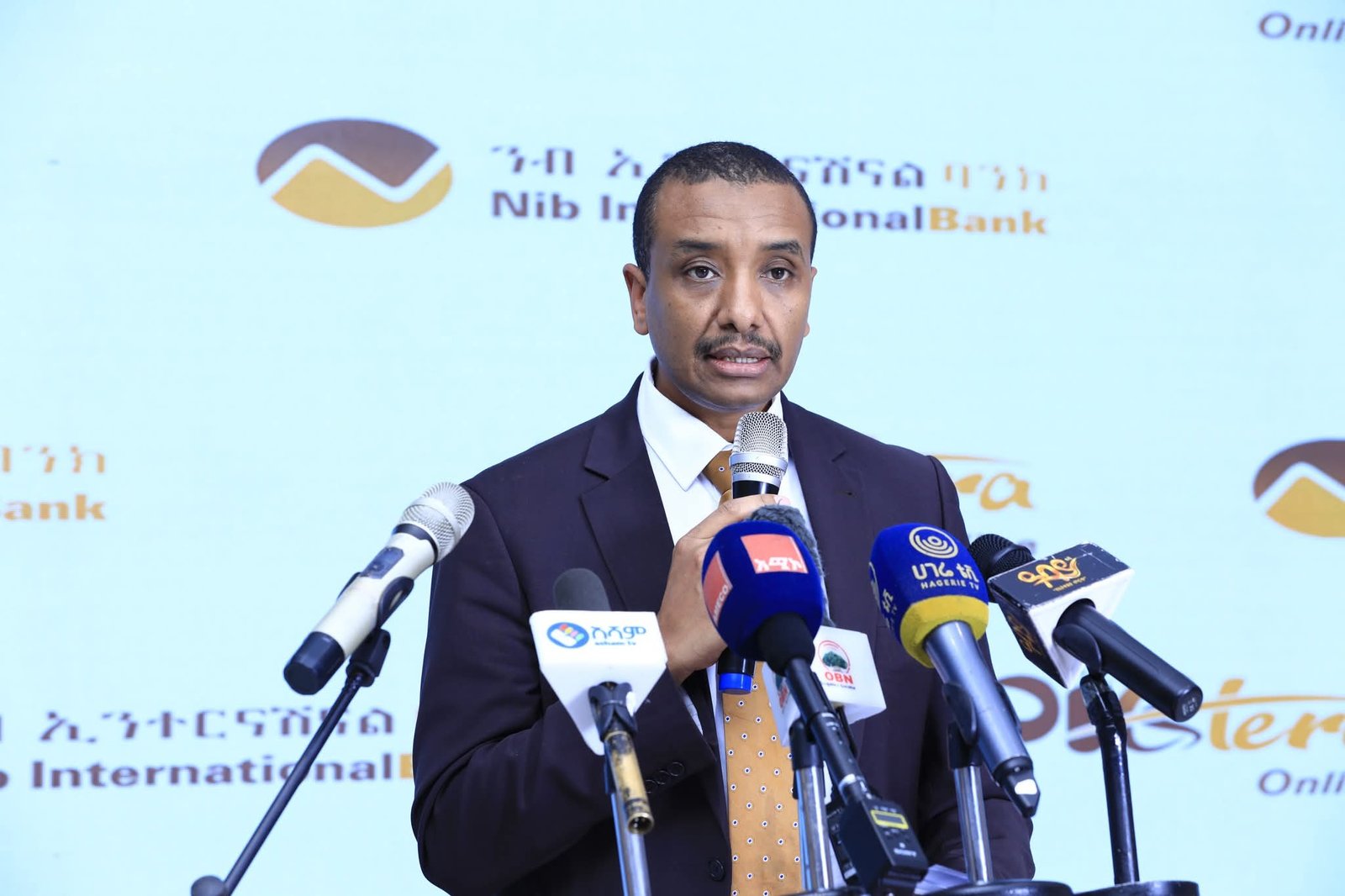
Addis Ababa – Nib International Bank S.C. has reported a significant pre-tax loss of 2.9 billion birr for the fiscal year ended 2017, marking one of the largest annual losses recorded in Ethiopia’s private banking sector.
In its latest annual report, the bank attributed the loss primarily to a foreign exchange (FX) revaluation adjustment of 4.4 billion birr, a direct consequence of the Ethiopian government’s recent decision to unify the country’s multiple foreign exchange markets.
According to the report, the loss does not reflect a decline in the bank’s operational performance. Instead, it stems from an accounting revaluation of longstanding foreign currency obligations that had been recorded at artificially low exchange rates under the old system. The government’s monetary policy reform, aimed at reducing distortions and improving transparency in the forex market, effectively more than doubled the value of the birr against foreign currencies, significantly increasing the cost of settling foreign-denominated liabilities.
“The loss is a one-time accounting adjustment and not a result of our operational inefficiency,” the bank clarified, emphasizing that core banking activities remained stable and profitable.
The FX revaluation led to a 28 percent contraction in total assets, forcing the bank to forgo dividend payments to shareholders for the year.
Debt Clearance and Operational Growth
Despite the substantial accounting setback, Nib Bank reported several areas of operational strength. The institution successfully repaid in full its 5.85 billion birr borrowing from the National Bank of Ethiopia (NBE), along with 658.4 million birr in accumulated interest.
Furthermore, the bank’s total income rose by 4.6 percent to 11.3 billion birr, driven by stable performance in its lending, trade finance, and digital banking segments. Deposits also saw a 14 percent increase, reaching 51.3 billion birr, underscoring continued customer confidence in the bank’s long-term stability.
Policy Shock and Sector-Wide Implications
The government’s FX market unification policy, though widely viewed as a necessary reform to attract investment and reduce black-market activity, has posed short-term challenges for banks with significant foreign currency exposure. By aligning official rates with market realities, the policy has forced institutions like Nib to restate their foreign liabilities at much higher values, instantly eroding book capital and profitability.
Financial analysts note that while such revaluation losses may temporarily weaken banks’ balance sheets, they represent an inevitable correction toward a more transparent and sustainable financial system. Over time, the move is expected to enhance Ethiopia’s competitiveness and improve foreign investment inflows.
Outlook
Nib Bank stated that it is taking strategic measures to strengthen its liquidity position, optimize asset quality, and maintain capital adequacy amid the shifting policy environment. The management expressed confidence that the effects of the revaluation will be short-lived, and the bank’s long-term fundamentals remain sound.
“We are navigating a historic economic reform phase,” the report noted. “While the impact is significant today, it positions both Nib and the national banking system for a stronger, more resilient future.”

About Addis Insight
Addis Insight is Ethiopia’s fastest growing digital news platform, providing consumers with the latest news from Ethiopia and its diaspora. We provide marketers with innovative opportunities to leverage our stories and overall brand with a fiercely curious and highly engaged audience.