Ethiopian Airlines Takes Delivery of 21st Airbus A350-900 — A Milestone in Fleet Modernization

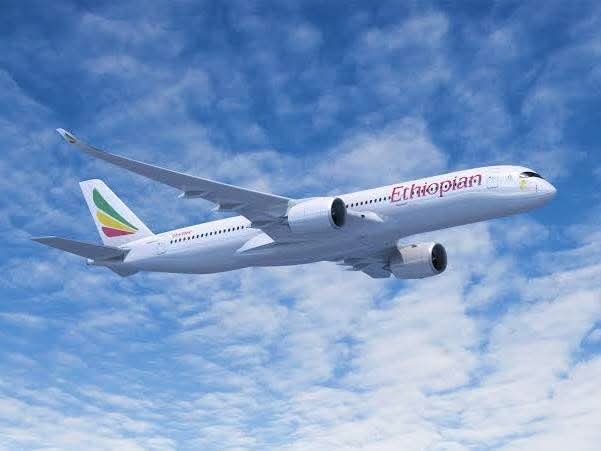
Addis Ababa, May 30, 2026 — Ethiopian Airlines announced the delivery of its 21st Airbus A350-900 (registered ET-BCE), a milestone the national carrier said would “further enhance its modern and comfortable service to its passengers” while reinforcing its leading role in African aviation. The addition of another next-generation widebody jet marks a significant step in Ethiopian’s decade-long fleet modernization and expansion program.
The A350 Family and Ethiopian’s Strategic Investment
The Airbus A350 family represents one of the most advanced widebody aircraft lines in commercial aviation, designed for long-haul efficiency and passenger comfort. Ethiopian Airlines became the first African carrier to operate the A350-900 in 2016 and has since built one of the largest A350 fleets on the continent.
Powered by Rolls-Royce Trent XWB engines, the A350-900 offers superior fuel efficiency, reduced noise, and enhanced cabin humidity and pressurization — all contributing to a more comfortable experience on ultra-long-haul routes. Ethiopian’s commitment to the A350 program aligns with its Vision 2035 strategy, which emphasizes operational excellence, environmental sustainability, and customer satisfaction.
Operational Significance of the 21st Delivery
The arrival of ET-BCE brings Ethiopian’s total A350-900 fleet to twenty-one, giving the airline greater flexibility and capacity on its key intercontinental routes to Asia, Europe, and the Americas. Each A350 delivery strengthens the carrier’s ability to:
- Expand network reach with non-stop services from Addis Ababa to distant markets, including Seoul, Toronto, Washington D.C., and Beijing.
- Enhance fleet commonality, lowering pilot training and maintenance costs.
- Improve fuel efficiency by up to 25% compared to the Boeing 777-200LRs and older-generation widebodies.
- Offer superior passenger comfort, particularly in its Cloud Nine Business Class and new Economy configurations.
This approach also supports the airline’s hub-and-spoke model, positioning Addis Ababa Bole International Airport as Africa’s preeminent transfer hub linking more than 130 destinations worldwide.
The A350-1000 and Fleet Diversification
Ethiopian’s investment in the A350 family extends beyond the -900 variant. The airline received its first Airbus A350-1000 in November 2024, becoming the first African operator of the stretched model. The A350-1000 offers higher capacity and extended range, allowing Ethiopian to serve growing markets in North America and Asia with increased efficiency.
This combination of A350-900 and A350-1000 aircraft provides Ethiopian with fleet versatility — balancing medium-density long-haul routes with higher-demand destinations — while maintaining a single type rating for pilots, thus maximizing crew and maintenance efficiency.
Passenger Experience and Brand Elevation
Ethiopian’s A350-900s are fitted with Cloud Nine Business Class, featuring fully lie-flat seats, large personal screens, and Wi-Fi capability. The Economy Class cabin also offers wider seats, higher ceilings, quieter cabins, and a state-of-the-art inflight entertainment system.
The A350’s advanced design reduces cabin altitude and noise by 20% compared to older aircraft, contributing to lower passenger fatigue. These features align with Ethiopian’s broader brand promise of combining African hospitality with modern technology, reinforcing its competitive position among global carriers.
Broader Implications for African Aviation
The delivery of the 21st A350-900 is emblematic of Ethiopian Airlines’ leadership within the African aviation sector. As one of the few profitable airlines on the continent, Ethiopian continues to serve as a continental ambassador for modernization, safety, and sustainability.
The airline’s A350 fleet also plays a critical role in supporting humanitarian and cargo missions, especially during global disruptions such as pandemics or regional crises. The belly-hold capacity of the A350 allows Ethiopian to combine passenger operations with significant freight uplift, sustaining trade and logistics flows across Africa.
Correcting the Historical Record
Earlier reports referenced the delivery of Ethiopian’s first Airbus A350-1000 in 2017; however, the A350-1000 actually joined Ethiopian’s fleet in November 2024. The A350-900, meanwhile, entered service in 2016, marking the beginning of the airline’s long-term partnership with Airbus.
By May 2026, Ethiopian’s A350 fleet — now 21 strong — underscores a decade of continuous investment in next-generation technology.
Looking Ahead
With more A350-900 and A350-1000 deliveries planned in the coming years, Ethiopian Airlines continues to expand its role as Africa’s aviation pioneer. The airline’s long-term strategy integrates fleet modernization, regional partnerships, and green growth, aiming to achieve net-zero carbon emissions by 2050.
“Each new aircraft represents not just an investment in our fleet, but in the future of African aviation,” an airline official noted during the May 2026 handover ceremony in Addis Ababa.
In essence, the May 30, 2026 delivery of ET-BCE is not merely another aircraft addition — it symbolizes Ethiopian Airlines’ enduring vision of connecting Africa to the world with efficiency, comfort, and pride.

About Addis Insight
Addis Insight is Ethiopia’s fastest growing digital news platform, providing consumers with the latest news from Ethiopia and its diaspora. We provide marketers with innovative opportunities to leverage our stories and overall brand with a fiercely curious and highly engaged audience.