Safaricom Ethiopia Raises Data Package Prices by Up to 82%,

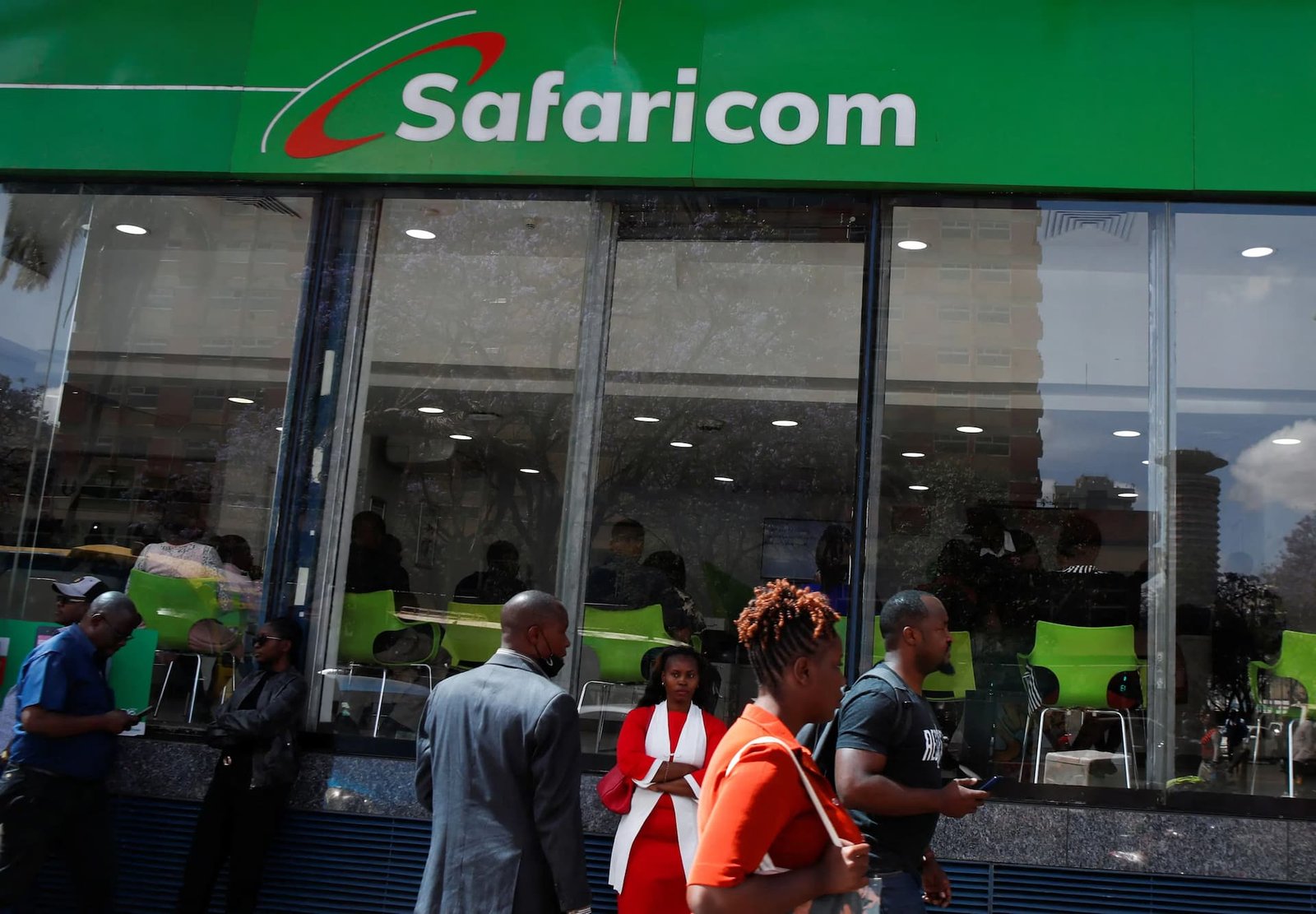
Safaricom Ethiopia has introduced a significant revision to its mobile internet packages, increasing costs by 20 percent to 82 percent across several daily, weekly, monthly, and long-term bundles. The new tariffs took effect on December 14, 2018 E.C., and have immediately drawn strong reactions from subscribers, many of whom say the changes drastically reduce affordability.
Customers argue that these are not small adjustments, but major increases that cut data volumes while increasing costs, affecting students, young professionals, low-income households, gig-economy workers, and small businesses who depend on affordable mobile internet.
What Has Changed?
Under the new tariff structure:
- A 10GB weekly package previously priced at 250 birr now provides only 5.5GB, effectively nearly halving the value.
- Daily internet bundles have tightened sharply, with the 150MB daily package at 5 birr reduced to 100MB, reflecting an effective price jump of up to 67 percent.
- The 100 birr weekly package, which previously offered 3GB, now provides around 2GB.
- Unlimited data packages have increased by 20–25 percent.
- Quarterly and semi-annual unlimited plans have risen by approximately 21 percent, now costing 4,250 birr and 8,500 birr respectively.
Subscribers say the changes not only raise costs but significantly reduce value, warning that it will strain household budgets at a time when the cost of living is already rising.
Safaricom’s Explanation
Safaricom Ethiopia stated that the revision was driven by:
- Rising operational expenses
- Increased infrastructure investment requirements
- Macroeconomic instability
- Foreign exchange shortages
- Growing costs for technology imports and network maintenance
The company said the adjustment is necessary to continue delivering reliable, high-quality services to its 12 million subscribers, emphasizing that sustaining Ethiopia’s telecom sector requires financially viable pricing.
Months earlier, Safaricom executives had already warned that Ethiopia’s mobile internet was being sold below cost, arguing that prices in Ethiopia were significantly lower than the African regional average. According to the company, highly discounted large bundles were impacting its ability to expand coverage while remaining profitable.
** massive Investment, Massive Costs**
Since entering the Ethiopian market in 2022 following the country’s telecom liberalization, Safaricom Ethiopia has:
- Invested over 300 billion birr (USD 2.5 billion+)
- Built around 3,000 mobile network sites
- Reached nearly half of the population
The company plans to:
- Expand to 6,000 telecom sites by December 2028
- Extend coverage to 80–90 percent of the population
- Secure an additional estimated 500 billion birr in investment over the next three years
Recent financing from regional and international partners, including a USD 138 million facility from Standard Bank, is expected to support further digital infrastructure expansion.
Safaricom Ethiopia is owned by an international consortium:
- Safaricom PLC (Kenya) – 55.7%
- Sumitomo Corporation (Japan) – 27.2%
- British International Investment (UK) – 10.9%
- Vodacom Group (South Africa) – 6.2%
- IFC (World Bank Group) – minority stake
These partners continue to support the company’s expansion plans technically and financially.
Public Reaction and Market Implications
Despite Safaricom’s justification, many customers say the increase is too steep, warning that it risks widening Ethiopia’s digital divide. Concerns raised include:
- Reduced internet access for low-income users
- Negative impact on students and remote workers
- Disruption to online-based businesses and creators
- Pressure on households already facing inflation
Some consumers are now reassessing whether to remain with Safaricom or shift usage patterns — a development that could influence competition dynamics with state-owned Ethio Telecom.
Critics argue that a more gradual or tiered pricing model could have reduced public shock and ensured continued inclusivity while still supporting investment needs.
A Defining Moment for Ethiopia’s Telecom Liberalization
Safaricom’s entry into Ethiopia was celebrated as a landmark step toward economic liberalization and digital modernization. Its rapid acquisition of 12 million subscribers demonstrated huge demand for competition and innovative telecom services.
However, the latest price increase presents a major test of consumer loyalty, affordability policy, and the broader promise of telecom liberalization. The balance between commercial sustainability and public access will now shape Ethiopia’s digital journey in the coming years.
Whether Safaricom will maintain, refine, or partially roll back these tariff adjustments remains to be seen — but the debate has already highlighted the growing tension between infrastructure investment needs and consumer affordability in one of Africa’s fastest-growing telecom markets.

About Addis Insight
Addis Insight is Ethiopia’s fastest growing digital news platform, providing consumers with the latest news from Ethiopia and its diaspora. We provide marketers with innovative opportunities to leverage our stories and overall brand with a fiercely curious and highly engaged audience.