Uncovering Hidden Ties: Gold, USAID, Clinton Foundation, and Ethiopia’s Political Drama – Part One

By-Tamrat Mengistu
In an era where corporate media increasingly serves as a mouthpiece for entrenched power structures, independent platforms like Dejaf TV have become essential for uncovering the truths that mainstream outlets refuse to touch. Recently, Dejaf TV, a popular YouTube podcast channel known for its insightful explorations of social, cultural, and political issues, hosted a fascinating conversation with Bereket Belayneh, a prominent Ethiopian journalist and playwright. The discussion was a masterclass in investigative journalism, exposing the intricate web of corruption, foreign influence, and political manipulation that has shaped Ethiopia’s recent history.
At the heart of the conversation were explosive revelations about the illegal gold trade in Tigray, the pervasive influence of USAID in the creation and funding of REST Ethiopian politics, and the troubling connections between the Clinton Foundation, the Tigray People’s Liberation Front (TPLF), and billionaire Mohammed Al Amoudi’s business empire. What makes these revelations even more damning is the near-total silence from both Ethiopian and Western media outlets, which have consistently failed to scrutinize the role of U.S. agencies and powerful political figures in destabilizing Ethiopia.
Bereket’s insights are a stark reminder of how power operates in the shadows, leveraging NGOs, foreign aid, and corporate interests to advance agendas that are rarely aligned with the public good. Below, we break down the key claims from the podcast, shedding light on the hidden forces shaping Ethiopia’s political drama.
Tigray’s Mineral Wealth: A Complex Network of Influence
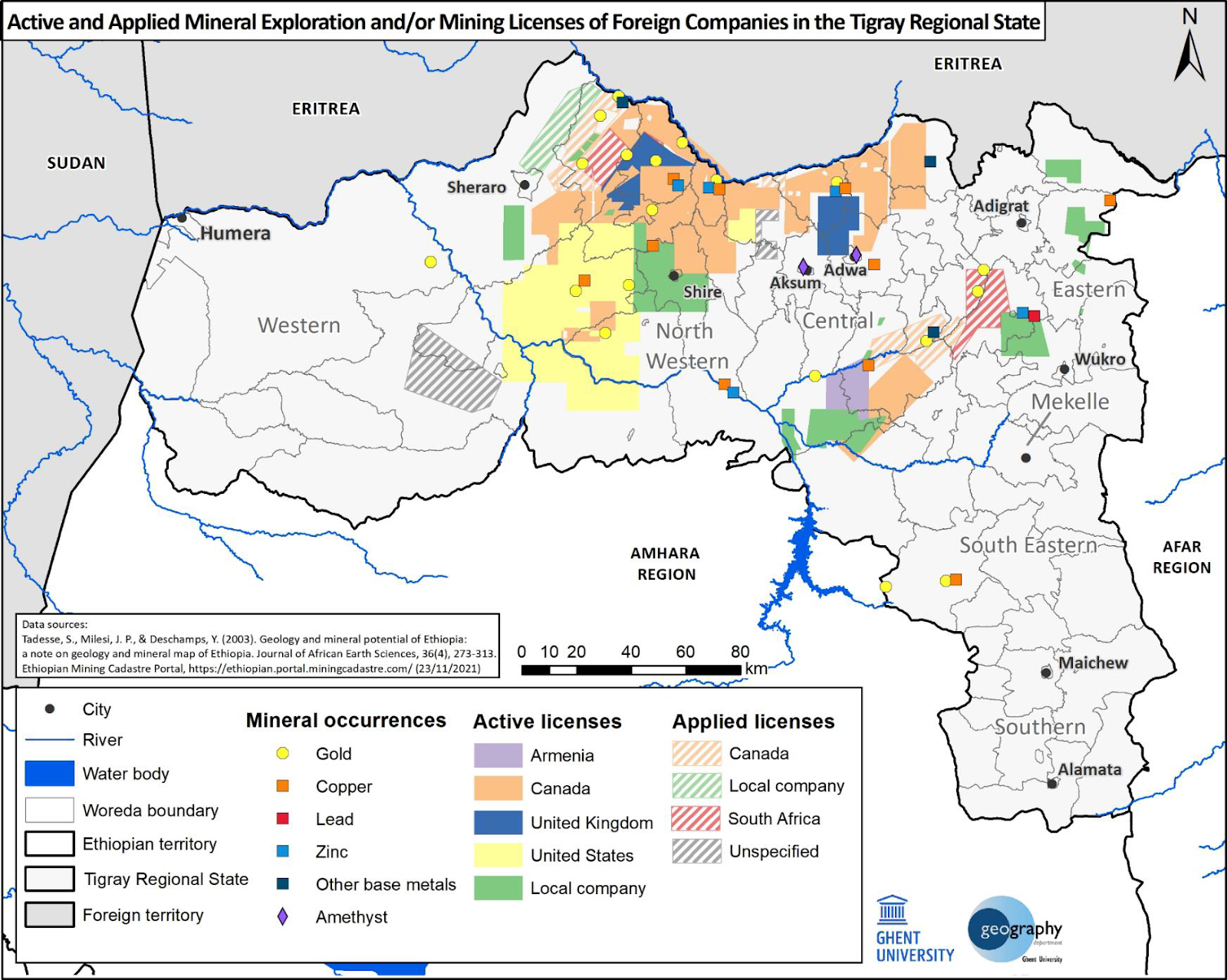
The intricate web of corporate and political ties surrounding the Endowment Fund for the Rehabilitation of Tigray (EFFORT), its subsidiary Ezana Mining Development PLC, and foreign entities like East Africa Metals Inc. In Ethiopia’s Tigray region, the nexus between EAM and Sun Peak Metals Corporation reveals troubling patterns of profit, power, and resource exploitation. Ezana, a key player in the region’s mining sector, holds a 30% stake in Harvest Mining PLC, with EAM controlling the remaining 70%, and together they target copper-gold-silver-zinc-rich deposits in the Harvest Project. Similarly, Sun Peak is exploring the Shire Project, an area of approximately 1,450 square kilometers, with Ezana holding the Meli and Terer licenses in a joint venture. Through EFFORT and REST, historically linked to the Tigray People’s Liberation Front (TPLF), these partnerships demonstrate a deep entanglement between foreign capital and local power structures. Despite claims of supporting regional rehabilitation, the reality shows local communities are sidelined, and profits flow abroad and within Ethiopia to a select few. Sun Peak resumed exploration in early 2024 after being suspended by COVID-19 and conflict, but tensions with regional officials and the lingering effects of instability remain a concern. The broader implications of these operations, including the degradation of the environment, social costs, and the exploitation of Tigray’s resources, remain deeply troubling, especially since EAM absorbed a 30% stake in the Adiabo gold project after Ezana failed to meet its obligations and Sun Peak boasts CAD 6.4 million in cash reserves. As a result, resource-rich regions are exploited by powerful actors, leaving little for those who suffer the consequences.

Gold and base metal potential; exploration concessions of foreign companies in Tigray. (Zendo.org)
The Illegal Gold Trade in Tigray: A Militarized, Destructive Enterprise
The illegal gold trade in Ethiopia’s Tigray region is not merely a criminal enterprise; it is a microcosm of the systemic corruption, exploitation, and violence that plague resource-rich regions across the globe. What began as a localized issue has spiraled into a militarized, transnational operation, fueled by conflict, weak governance, and the insatiable demand for gold in global markets. The consequences are devastating: environmental destruction, economic deprivation, and the perpetuation of violence that leaves local communities trapped in a cycle of suffering.
This illicit trade is not an isolated phenomenon. It is a stark illustration of how global systems of power and profit intersect with local vulnerabilities, creating a perfect storm of exploitation. From the battlegrounds of Tigray to the glittering skyscrapers of Dubai, the illegal gold trade reveals the ugly underbelly of globalization—one where the powerful profit at the expense of the powerless.
Conflict and Instability: Gold as a Catalyst for Violence
Tigray’s gold-rich landscapes, once a source of potential prosperity, have become centers of chaos and lawlessness. Mining sites across the region have turned into battlegrounds, with deadly clashes erupting regularly as armed groups vie for control. The illicit gold trade does not merely fuel these conflicts; it sustains them, providing the financial resources needed to arm militias and prolong violence.
This dynamic is not unique to Tigray. Across Africa and beyond, resource extraction has long been a driver of conflict, as state and non-state actors compete for control of lucrative commodities. In Tigray, the stakes are particularly high, as the region’s gold reserves represent both a source of immense wealth and a weapon of war.
Economic Deprivation: Wealth Stolen from the People
While Tigray is estimated to produce around 20 quintals of gold annually which is around 70547.9 ounce gold, a figure that underscores the region’s vast mineral wealth—none of this wealth benefits the people who call Tigray home. Instead, the profits from the illegal gold trade enrich a select few: smugglers, armed groups, and corrupt elites who exploit the region’s resources for personal gain.
As the Addis Standard and Chatham House have documented, this plunder of gold ultimately harms the Tigrayan public. The resource that should be used to rebuild a region devastated by war is instead siphoned off, leaving communities impoverished and deprived of the means to recover. This is not just an economic injustice; it is a moral one, reflecting a global system that prioritizes profit over people.
Environmental and Health Catastrophe: The Hidden Costs of Gold
The environmental and human costs of the illegal gold trade are staggering. Unregulated mining practices, including the use of hazardous chemicals like cyanide and mercury, have contaminated soil and water supplies, posing severe health risks to local communities. Reports of deformed livestock, degraded farmland, and long-term health consequences for residents paint a grim picture of the toll exacted by this illicit industry.
Foreign miners, often operating with impunity, are among the worst offenders. Their use of toxic chemicals not only devastates the environment but also exacerbates the already dire humanitarian conditions in Tigray. This is not just an environmental crisis; it is a public health emergency, one that demands urgent attention and action.
Transnational Networks and Smuggling Routes: The Global Reach of Illicit Gold
The illegal gold trade in Tigray is not a local issue; it is a global one. A complex network of smuggling routes connects Tigray to neighboring countries like Sudan, Somaliland, Kenya, and Uganda, with Dubai serving as the central hub for this illicit trade. Vehicles disguised with the insignia of international organizations are reportedly used to facilitate smuggling, highlighting the brazenness of those involved.
Dubai’s role in this trade is particularly troubling. As Chatham House has noted, the UAE’s lax import procedures make it an ideal destination for smuggled gold, much of which originates in Africa. This raises serious questions about the complicity of global actors in perpetuating conflict and exploitation. As the Addis Standard has suggested, independent investigations are needed to determine whether Dubai’s involvement extends beyond mere opportunism to active support for the war in Tigray.
Actors Involved: A Web of Complicity
The illicit gold trade involves a wide range of actors, from former combatants and local youth to foreign nationals and state elites. This web of complicity underscores the complexity of the issue, as legal and illegal miners, businesspeople, and armed groups cooperate and compete for control of the trade.
Weak governance and enforcement further exacerbate the problem. Contested authority between federal, regional, and local administrations has created a vacuum in which corruption and criminality thrive. As the Ethiopian Business Review has noted, illegal miners and smugglers often outpace government efforts to regulate the industry, operating with impunity in areas where security is lacking.
Foreign Interests: The Role of Global Corporations
The involvement of foreign companies adds another layer of complexity to the issue. Canadian, US, and UK companies hold exploration licenses in Tigray, raising questions about their role in the region’s mining sector. While these companies may operate within the bounds of the law, their presence highlights the broader dynamics of resource extraction in conflict zones, where foreign interests often intersect with local instability.
In Conclusion
In the Tigray region, the exploitation of mineral wealth by entities like EFFORT, Ezana Mining, and foreign corporations such as East Africa Metals and Sun Peak Metals prioritizes profit over people, enriching elites while devastating local communities. These networks, tied to the TPLF, siphon wealth abroad, leaving Tigrayans to face environmental ruin, economic deprivation, and violence. The illegal gold trade, a militarized, transnational enterprise, fuels conflict and environmental destruction, with profits flowing to hubs like Dubai. Foreign companies, operating with impunity, exacerbate the crisis, underscoring how global capital and local instability intersect to perpetuate suffering, trapping Tigray’s people in a cycle of exploitation.
In Part Two, we’ll dive into the shadowy ties between USAID, the World Food Programme (WFP), and the Tigray People’s Liberation Front (TPLF), unraveling how these connections have fueled corruption and wealth accumulation. We’ll expose how EFFORT and TPLF leaders accumulate billion-dollar fortunes throughout the 30 years of ruling the country, despite lacking financial expertise or legitimate businesses. At the same time, we’ll uncover how U.S. companies and NGOs allegedly funnel USAID funds back to Washington, D.C., creating a self-serving loop that enriches the powerful while leaving those in need behind. This is a story of exploitation, hidden agendas, and the dark underbelly of international aid—stay tuned.

About Addis Insight
Addis Insight is Ethiopia’s fastest growing digital news platform, providing consumers with the latest news from Ethiopia and its diaspora. We provide marketers with innovative opportunities to leverage our stories and overall brand with a fiercely curious and highly engaged audience.