Op-Ed: Who Should Africa Celebrate—The Philanthropist or the Industrialist?

By Abel Asrat
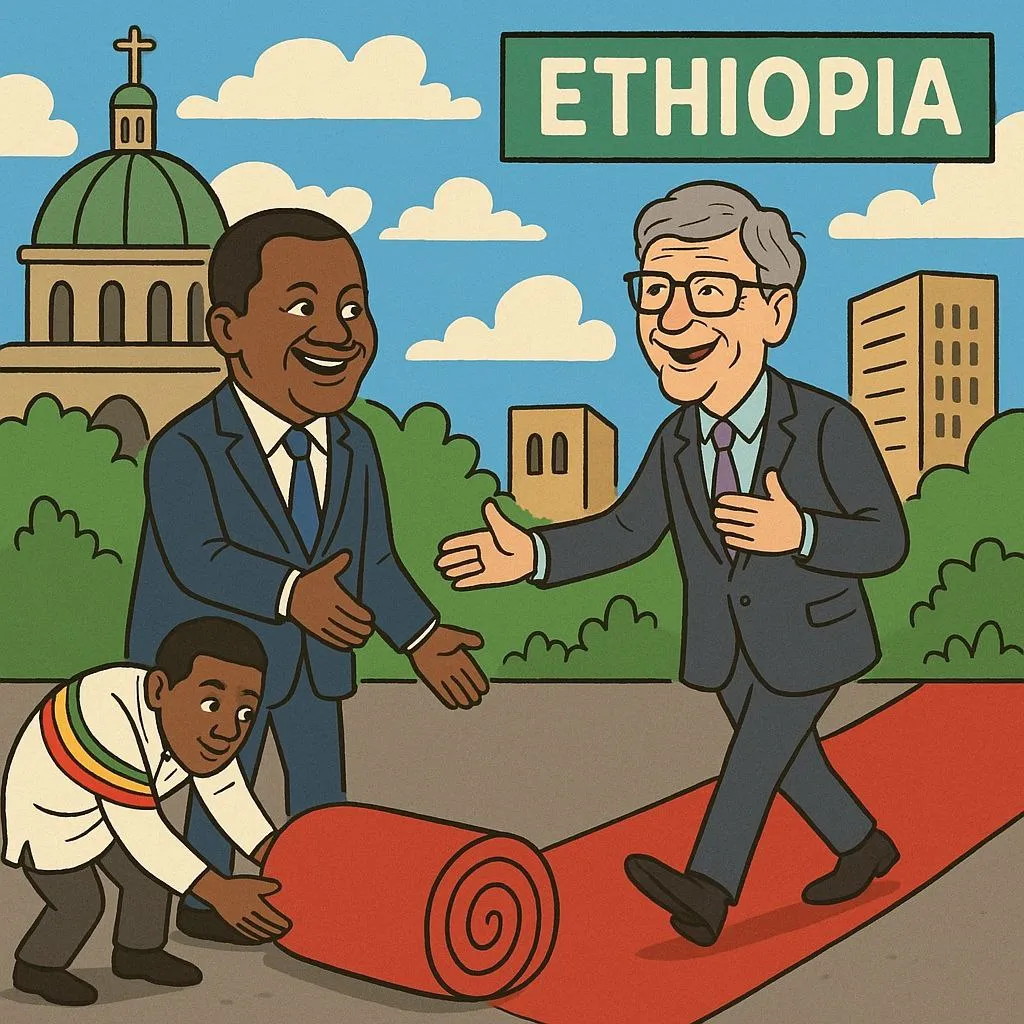
When Bill Gates visited Addis Ababa recently, the city prepared as if royalty were arriving: streets were scrubbed with soap, a rare ceremonial gesture. Ethiopia awarded him its highest national honor, celebrating his pledge to commit $200 billion over the next two decades to global development initiatives, especially in health and agriculture.
Just months earlier, Aliko Dangote—the richest man in Africa—visited the same country, quietly announcing a $400 million expansion of his cement operations. The project is set to create over 25,000 jobs, catalyzing economic development in a country grappling with youth unemployment. Yet there were no medals, no flags, no fanfare.
This contrast forces an uncomfortable question: Why does Africa so easily celebrate foreign donors while sidelining its own builders?
Two Billionaires, Two Legacies
Bill Gates, through the Bill & Melinda Gates Foundation, has been a major player in global development. His contributions to eradicating diseases like polio, improving sanitation, and supporting agricultural research have saved millions of lives. He is often seen as the model for what a tech billionaire can do after profit—redirecting wealth toward solving humanity’s problems.
But not all is noble beneath the surface. Gates’ philanthropic empire has come under increasing scrutiny. The foundation holds substantial shares in companies like Coca-Cola, whose sugary products have been linked to rising diabetes and obesity in the developing world. It has partnered with Monsanto, pushing genetically modified crops in Africa under the guise of food security—sparking criticism over dependency and loss of local seed sovereignty.
During the COVID-19 pandemic, Gates was among the most vocal proponents of vaccines. Yet when calls rose to waive intellectual property rights for COVID-19 vaccines—so developing nations could manufacture affordable doses—he declined to support the move. His foundation’s tight partnerships with Big Pharma raised uncomfortable questions: Was global health being shaped more by profit than principle?
The lesson is clear: there is no such thing as a free lunch in geopolitics—or philanthropy.
Dangote’s Refinery: A Symbol of Economic Sovereignty
While Gates funds interventions, Dangote builds institutions. His latest and most ambitious project—the Dangote Petroleum Refinery and Petrochemicals Complex—is perhaps the most transformative industrial project in Africa’s modern history.
Located in Lagos, Nigeria, the $19 billion refinery has a capacity of 650,000 barrels per day, making it the largest single-train refinery in the world. Before this, Nigeria—despite being Africa’s largest oil producer—was importing over 90% of its refined petroleum. Billions of dollars were lost yearly due to fuel subsidies, foreign exchange strain, and supply chain inefficiencies.
Now, the tables are turning. The refinery:
- Slashes Nigeria’s fuel import bill, saving the country up to $10 billion annually.
- Strengthens the naira by reducing demand for dollars used in importing fuel.
- Has the capacity to meet 100% of Nigeria’s refined fuel needs, and export to neighboring African countries.
- Created over 100,000 direct and indirect jobs, from engineering to logistics.
- Will stabilize local supply of aviation fuel, diesel, kerosene, and fertilizers—driving down transport and food costs.
This is not aid. This is economic sovereignty in steel and stone.
Why Africa Must Rethink Whom It Honors
Philanthropy has its place. It can be lifesaving. But it often operates within a short-term, crisis-response framework, while business—especially bold industrial investment—lays the foundation for long-term stability. Dangote’s model does not depend on applause or grants. It’s harder, slower, and far more sustainable.
And yet, Africa’s elites seem more eager to embrace a Western donor than honor a homegrown visionary. Gates receives medals; Dangote builds economies. One is welcomed like a savior; the other, treated like just another businessman.
This reflects a dangerous mindset—one that still sees value and prestige as foreign imports.
The Moral Illusion of Modern Philanthropy
Gates’ wealth accumulation was made possible by capitalism at its most aggressive. Now, he reinvents himself as a benevolent savior. But this transformation, critics argue, allows unelected billionaires to set global development agendas—often without public accountability.
Meanwhile, African industrialists who invest their own capital, weather political instability, and build factories in places no one else will touch, receive far less recognition.
There’s a deeper narrative here: philanthropy often comes with strings. Business, especially when rooted in the continent, offers agency.
Builders Over Benefactors
It’s time Africa rethinks its definitions of heroism and service. Yes, we should thank Gates for his contributions. But we must not overlook the quiet power of industrialists like Dangote who are building the economic foundations that Africa so desperately needs.
Let us ask: Who helps more—a donor who funds malaria programs, or a builder who provides 25,000 jobs and slashes fuel dependency?
Both matter. But only one makes Africa less dependent on outsiders.
The next time a local entrepreneur dares to industrialize a nation, maybe we should wash the streets for him, too.

About Addis Insight
Addis Insight is Ethiopia’s fastest growing digital news platform, providing consumers with the latest news from Ethiopia and its diaspora. We provide marketers with innovative opportunities to leverage our stories and overall brand with a fiercely curious and highly engaged audience.