What Congo Can Learn from Ethiopia’s GERD: A Blueprint for Harnessing the Congo River’s Power

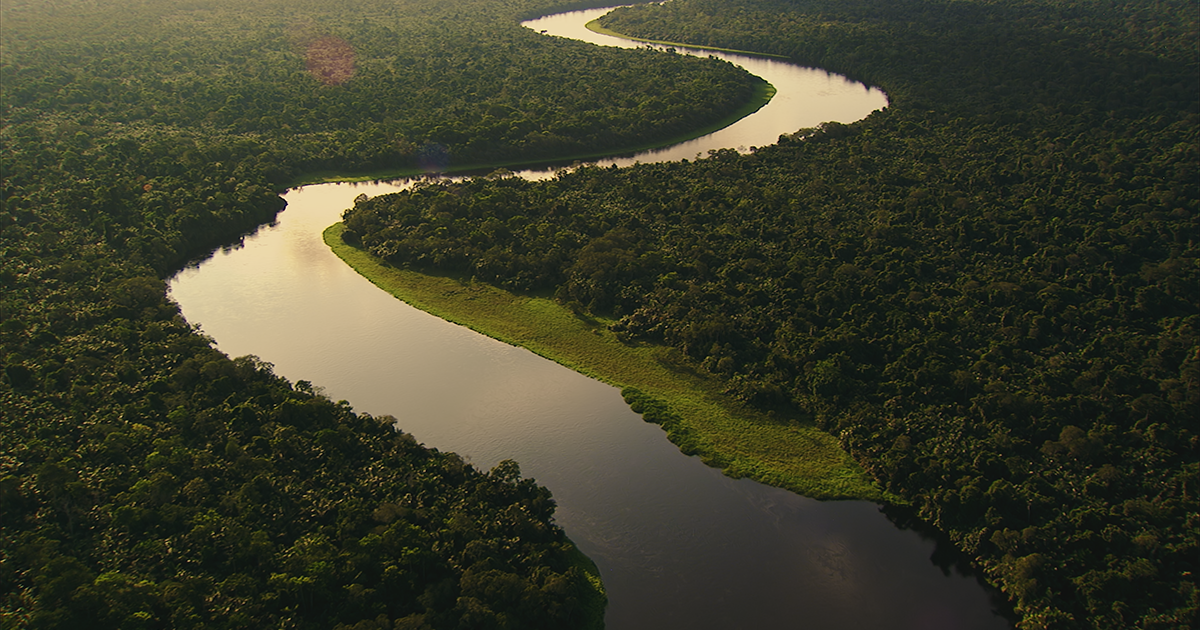
Lessons from the Nile: A Strategic Blueprint for Harnessing the Congo River’s Potential
Executive Summary: A Tale of Two Rivers
The divergent destinies of Ethiopia’s Grand Ethiopian Renaissance Dam (GERD) and the Democratic Republic of Congo’s (DRC) Inga dam projects illustrate two contrasting pathways in African mega-infrastructure. Ethiopia’s GERD emerged as a symbol of sovereign ambition and collective action, financed almost entirely from within and completed despite geopolitical headwinds. The DRC’s Inga complex, by contrast, remains a half-realized dream: vast in potential yet paralyzed by decades of political volatility, corruption and over-dependence on foreign capital.
Ethiopia shows that a domestically anchored, nationally owned approach can overcome external resistance and create transformative energy access. For the DRC, where barely 20 % of the population has electricity despite the Congo River’s unmatched hydropower capacity, the GERD story offers a practical roadmap: finance from within, build transparent governance insulated from political interference, and ensure that the first beneficiaries are Congolese citizens, not distant mines or foreign grids.
Introduction: Ethiopia’s Renaissance vs. Congo’s Paradox
The Congo River is the world’s second-largest by flow, and the Inga site alone could generate up to 70 GW—enough to power half of the United States. Yet fewer than one in five Congolese have access to electricity; in rural areas the figure falls below 5 %. This striking energy poverty stands beside almost limitless potential.
Ethiopia faced a similar dilemma two decades ago. Landlocked and energy-starved, it nonetheless built the 5,150 MW GERD on the Blue Nile—Africa’s largest hydroelectric plant—despite fierce opposition from downstream Egypt and limited access to foreign finance. The GERD is now a pillar of Ethiopia’s industrialization strategy and a case study in how political resolve and domestic ownership can convert natural endowment into development.
| Project | River | Installed Capacity | Approx. Cost | Funding Model | Status |
|---|---|---|---|---|---|
| GERD | Blue Nile | 5,150 MW | ~US$4.5 billion | 91 % domestic (Commercial Bank of Ethiopia) | Operational |
| Inga Complex | Congo | 1,775 MW (Inga I & II) | Grand Inga vision: US$80–100 billion | Foreign-led consortia | Stalled, partly operational |
The Ethiopian Model: A National Project for a Nation’s Future
From Dormant Idea to National Mission
First conceived in the 1950s, GERD lay dormant until 2011, when Prime Minister Meles Zenawi framed it as an act of national self-determination: “No matter how poor we are, we will pay any sacrifice.” The dam became not just an engineering project but a unifying national mission to electrify a country where most people literally lived in darkness.
Financing from Within
When international lenders, under Egyptian lobbying, balked, Ethiopia turned inward. The Commercial Bank of Ethiopia provided roughly 91 % of the funds, complemented by domestic bond sales and small citizen donations—including schoolchildren’s lunch money. This “crowdfunded sovereignty” transformed Ethiopians into stakeholders and neutralized external leverage. It also gave the project political irreversibility: a national investment no government could abandon.
Managing Geopolitical Headwinds
Egypt invoked colonial-era treaties and mobilized allies to block financing. Ethiopia countered with a consistent message: GERD is a non-consumptive hydropower project that will not deprive downstream nations of water. By self-financing and proceeding steadily—including reservoir filling—Ethiopia converted diplomatic disputes into faits accomplis. The absence of downstream water shortages during initial operations effectively disarmed the strongest objections.
The Grand Inga Conundrum: The Stalled Giant
A Titan in Waiting
The Congo River’s total hydro potential exceeds 100 GW. Grand Inga alone could double the capacity of China’s Three Gorges Dam. Its steep 96-meter drop makes it ideal for “run-of-river” generation requiring only modest reservoirs.
White Elephants and Maintenance Failures
Inga I and II, built in the 1970s–80s under Mobutu Sese Seko, were intended to feed copper mines hundreds of kilometers away. Of their 1,775 MW capacity, less than half operates today; half the turbines are idle for want of maintenance. Local communities displaced during construction remain uncompensated, breeding decades of mistrust.
Grand Inga’s Endless False Starts
Since Belgian colonial planners first proposed it in 1959, Grand Inga has lurched from memorandum to memorandum—China Three Gorges one year, Spanish consortia the next—without breaking ground. Price tags of US$80–100 billion and persistent political instability deter serious investors.
The World Bank’s Revolving Door
The World Bank repeatedly engaged then withdrew, most notably cancelling a US$73 million technical-assistance grant in 2016 after Kinshasa placed the project agency under direct presidential control. Though the Bank re-entered in 2025 with a US$1 billion commitment, Congolese civil society warns that the underlying governance deficits remain unresolved.
Foreign Markets First, Citizens Last
Historically the Inga vision has prioritized exports—to South African utilities, Angolan grids, even mooted links to Europe—while Congolese households remain largely unserved. Critics fear a classic resource-curse dynamic: vast natural wealth exploited for external benefit while domestic poverty persists.
Lessons for the DRC: A Strategic Roadmap
| Project | Key Milestones |
|---|---|
| GERD | 1950s feasibility studies → 2011 launch → 2020 first reservoir filling → 2022 first power → 2025 full completion |
| Inga | 1959 Belgian study → 1972 Inga I → 1982 Inga II → 2016 World Bank withdrawal → 2025 Bank re-engagement |
Four core lessons emerge:
Domestic Ownership of Finance
GERD proves that a mega-dam can be built without dependence on foreign lenders. The DRC should create a hybrid model anchored in domestic funding—bonds for the Congolese diaspora, contributions from state-owned utility SNEL, even salary-linked bond programs—to reduce vulnerability to external politics.
Governance and Institutional Insulation
Ethiopia maintained a clear, state-led project authority insulated from day-to-day politics. DRC must establish an autonomous, transparently governed Inga Authority with published procurement rules and independent oversight.
Sovereignty in Project Design
Instead of exporting most output, the DRC must prioritize national electrification. Power Purchase Agreements should first guarantee supply to Congolese households and industries; only surplus power should be sold abroad.
People as Primary Beneficiaries
Community engagement and fair compensation are prerequisites. Pairing large hydropower with decentralized renewables—solar mini-grids, micro-hydro—can extend access to remote rural populations and reduce pressure on forests.
Recommendations and Forward Look
Three-Phase Action Plan
Phase I – Governance & Planning
- Create a new, independent Inga Authority.
- Publish all past feasibility and environmental studies.
- Conduct free, prior and informed consultations with affected communities.
Phase II – Financing & Partnerships
- Launch a domestic fundraising campaign to build national ownership.
- Structure foreign participation as minority stakes under a transparent Public-Private Partnership with political-risk insurance.
Phase III – Implementation
- Rehabilitate Inga I and II immediately to show tangible domestic benefits.
- Develop Grand Inga in modular phases to lower upfront cost and generate early revenues.
- Sign PPAs that put Congolese consumers first.
A Broader Vision for the Congo Basin
The Congo River is more than a hydro resource; it anchors the world’s second-largest rainforest and a vital global carbon sink. A re-imagined Grand Inga can become the spearhead of an integrated energy strategy—large dams complemented by decentralized renewables—while safeguarding biodiversity and local livelihoods.
Conclusion
Ethiopia’s GERD demonstrates that political will, domestic finance and a people-centered narrative can turn hydropower potential into national transformation. For the DRC, the lesson is not to replicate GERD’s engineering but its governance DNA: sovereignty, transparency and citizen benefit. Only then can the Congo River’s power flow not just across borders but into Congolese homes and industries—transforming the Inga site from a symbol of lost opportunity into the engine of a sustainable national renaissance.

About Addis Insight
Addis Insight is Ethiopia’s fastest growing digital news platform, providing consumers with the latest news from Ethiopia and its diaspora. We provide marketers with innovative opportunities to leverage our stories and overall brand with a fiercely curious and highly engaged audience.