Ethiopia Eyes Double-Digit Growth as Abiy Hails Economic Reform Success

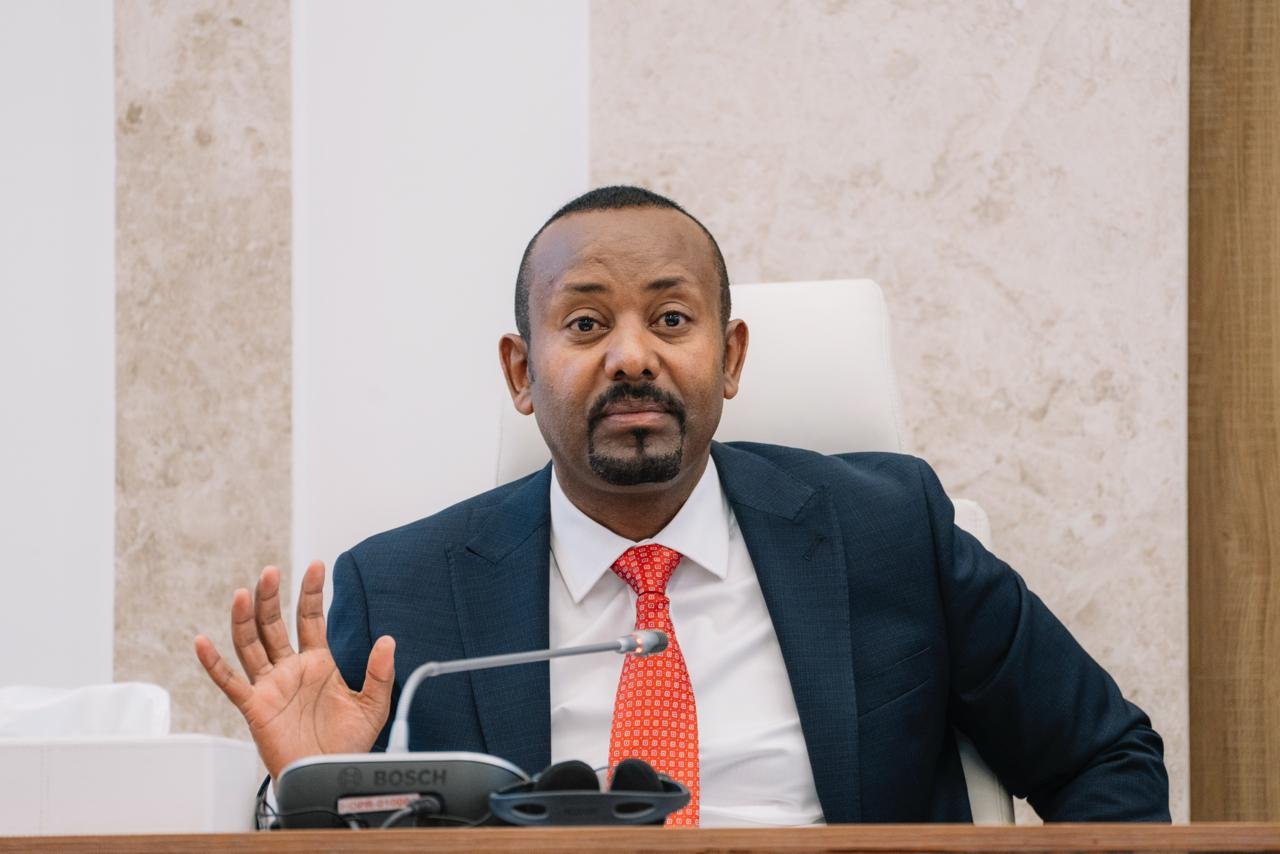
Addis Ababa, October 28, 2025 — Prime Minister Abiy Ahmed (PhD) has announced that Ethiopia’s economy is on track to achieve double-digit growth this year, driven by what he described as “the most comprehensive economic transformation in the nation’s modern history.”
Speaking during the 6th round, 5th year session of the House of People’s Representatives, Abiy outlined a wide-ranging assessment of the country’s economic progress, noting that Ethiopia’s transition from an agriculture-dependent economy to a diversified model is finally producing measurable results.
From Agriculture to Diversification
The Prime Minister emphasized that no developing economy can sustainably escape poverty while relying on a single sector. To this end, his administration has prioritized five strategic pillars — agriculture, industry, mining, tourism, and technology — as the core engines of Ethiopia’s new growth model.
“It is impossible to quickly get out of poverty by relying on one sector,” Abiy said. “Our transition to a diversified economy is bearing fruit.”
According to government data, agriculture expanded by 7.3 percent last year, contributing 2.3 percent to total national output, while industry surged by 13 percent, adding 3.5 percent to GDP. The industrial gains, Abiy noted, stem largely from revitalized mining and manufacturing activity, marking a shift away from Ethiopia’s long-standing dependence on construction-driven growth.
Macroeconomic Stability and Fiscal Expansion
A central theme of Abiy’s remarks was the government’s ongoing effort to correct macroeconomic imbalances inherited from years of debt accumulation and fiscal strain.
When his administration took office during the political transition, government revenue stood at just 170 billion birr. Today, that figure is expected to exceed 1 trillion birr — a sixfold increase attributed to improved tax collection, digitalization, and private sector expansion.
Abiy also highlighted Ethiopia’s debt restructuring success, saying the country has completed $4–4.5 billion in debt renegotiations and has not taken a single dollar in new commercial loans since the national reform began.
“Ethiopia’s total debt does not exceed $23 billion, and we currently have no problem managing or paying it,” he told lawmakers. “The debt burden that once constrained our growth has been structurally repaired.”
Exports and Investment Climate Strengthened
The Prime Minister celebrated what he called a “historic performance” in exports, noting that Ethiopia earned $8.3 billion in foreign exchange last fiscal year — the highest in the country’s history.
Even more striking, he said, was the pace of this year’s export earnings: the amount Ethiopia earned in an entire year before the reform now takes only four months to achieve.
Abiy credited this to macroeconomic reforms that have “modernized, integrated, and liberalized” the investment environment, creating a more competitive and transparent landscape for both domestic and foreign investors. The Ease of Doing Business indicators are improving, and Ethiopia’s long-delayed accession to the World Trade Organization (WTO) is reportedly progressing well.
Fiscal Support and Inflation Control
To stabilize prices and protect consumers, the government has deployed 440 billion birr in subsidies, of which 160 billion birr went to public wages and 140 billion birr to fuel subsidies. These interventions, according to Abiy, have helped reduce inflation from pandemic-era highs to 11.7 percent in October 2025 — the lowest rate since the reform period began.
The Prime Minister pledged continued efforts to bring inflation down to single digits, balancing fiscal stimulus with macroeconomic discipline.
A Model for African Reform
International financial institutions, Abiy said, have recognized Ethiopia’s reform trajectory as a model for inclusive transformation. He argued that Ethiopia’s blend of fiscal prudence, sectoral diversification, and investment in productivity offers lessons for other developing nations navigating similar structural challenges.
“Our economic reforms have been recognized globally,” he remarked. “They will serve as a model for other countries pursuing growth through stability and self-reliance.”
Outlook: Balanced Growth Ahead
As Ethiopia pushes forward with its reform agenda, Abiy cautioned that growth must remain balanced and inclusive, ensuring benefits are shared across regions and social groups. Despite the impressive numbers, he stressed the need to strengthen the country’s institutional capacity and maintain macroeconomic discipline to avoid overheating.
The Prime Minister concluded on an optimistic note:
“Our reforms have achieved rapid changes across all parameters. Ethiopia’s economy is no longer defined by instability — it is defined by resilience, productivity, and confidence in our future.”

About Addis Insight
Addis Insight is Ethiopia’s fastest growing digital news platform, providing consumers with the latest news from Ethiopia and its diaspora. We provide marketers with innovative opportunities to leverage our stories and overall brand with a fiercely curious and highly engaged audience.